When people think of remote work, they think of the following image: a person sitting in a comfortable chair in front of a laptop, with a cup of aromatic coffee smoking nearby. If you add the word "highly paid" to the phrase "remote work", you can even imagine an ocean shore, a deck chair instead of a chair, and a person with a laptop sipping on a cool drink. Sounds like a dream, doesn't it? But what about a small apartment, kids who are constantly distracting and interfering with your work? Or a husband or wife who doesn't let you concentrate with their "little requests". Yes, in this article, we'll touch on the disadvantages of remote work, but we'll give you tips on how to deal with them.
But let's start with the good stuff first. If you are hesitating whether to switch to remote work or not, check out the bonuses you will receive if you decide to take this step.
Benefits of remote work
Flexible schedule: Although many companies have fixed working hours, for example, from 9:00 to 17:00, you are not constantly under the watchful eye of the management. At any time, you can take a break, and more than one, without fear of hearing a comment or seeing a judgemental look in your direction. With this psychological relief, your performance and ability to generate new ideas improve."
Saving time and money: On average, a person spends 2 to 4 hours commuting to and from the office. Especially if you use public transport. It also takes into account the time to get yourself in the right shape, the requirements for which are greatly simplified at home. Every day, we voluntarily give up time that we would have spent on ourselves and our families if we were working remotely. And also money - we pay for travel, fuel and additional expenses that we would not have made if we were at home.
Expanding the geography of job search: There is no attachment to the place of residence, where the number and variety of vacancies may be limited. Based on your experience, skills, and talents, you can find a job in any city or country. You yourself can move anywhere (either voluntarily or involuntarily) without the threat of losing your job."
Now let's move on to the pitfalls you may encounter on the course.
Disadvantages of remote work
Blurring the boundaries between work and personal life: Do you remember the children and other family members who, as if on purpose, wait for your working hours and start bothering you with constant requests? Or they behave loudly, do not allow you to concentrate and interfere with your work. This is one side of a possible problem.
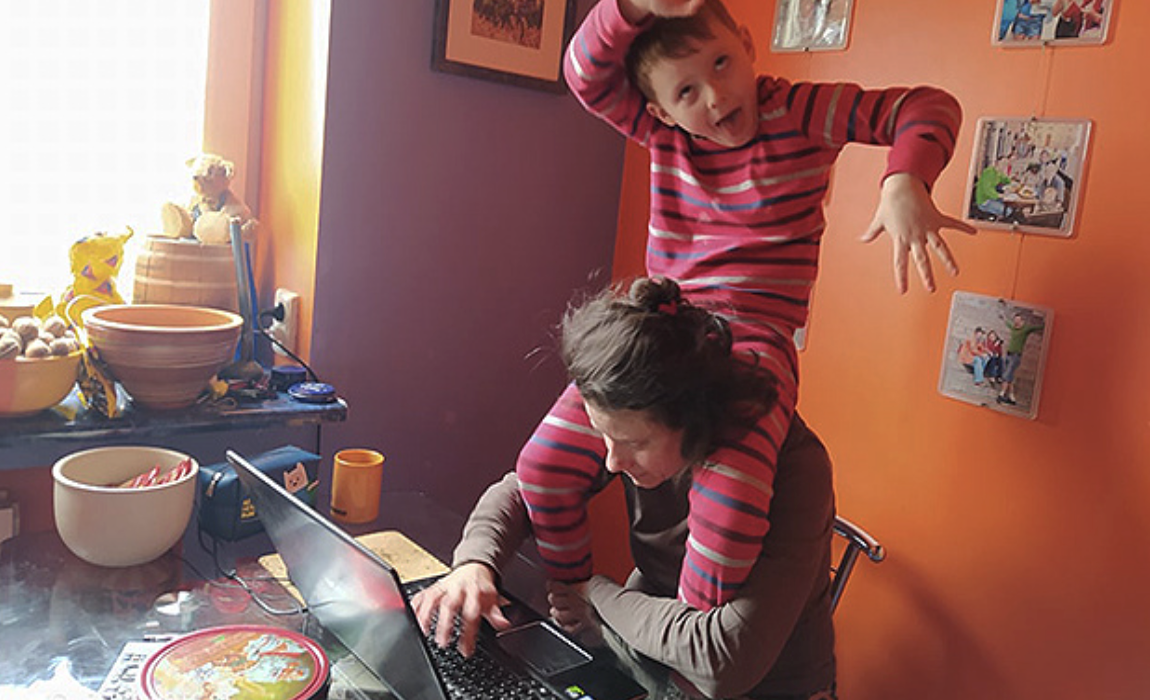
The other is that you work overtime because of the remaining energy that you did not give to the exhausting journey and early rise. A paradox arises - when you are at home, you communicate even less with your family than when you had to go to work on the other side of the city. It's not far from burnout. In this regard, injobe.com has prepared an article for you: Remote Work Burnout: How to Prevent and Overcome
Feeling isolated and lonely: Let's face it, the noise of the workplace can be quite tiring. There is a constant desire to be alone. But sometimes, when your desire is fulfilled thanks to distance, you suddenly feel lonely. And now you are already sadly recalling the times when you could communicate with your colleagues without any obstacles. This problem should not be underestimated, because for many people it becomes an obstacle to the transition or continuation of remote work.
Technical problems and inconveniences: An unstable internet connection, power outages, or lack of necessary work equipment can hinder your efficiency as an employee. You can't meet deadlines and your emotional state is constantly deteriorating.
How to find a balance between personal life and career and cope with the disadvantages of remote work
To get around the above problems, the injobe.com team has prepared the following tips for you:
1. Set clear boundaries: Define your working hours and try to stick to them. Calmly but confidently explain to your family that remote work is no less important and responsible. Insist that you are given the opportunity to concentrate and work.
And when you are done, refuse to check work notifications. When working remotely, you need to master the skill of "switching" at home from everyday to working conditions, and vice versa.
2. Create a separate workspace: It can be a separate room or another corner for work. This way you will psychologically separate your workplace from your personal space.
3. Follow a stable daily routine: It will help you tune in to work and not forget about rest. Wake up at the same time, take lunch breaks and exercise breaks, for example.
4. Maintain social connections: To get rid of the feeling of isolation and loneliness, communicate with colleagues via video or in person, if possible. Talking to family or friends during lunch breaks can help.

We wish you to find the remote online job of your dreams. You can find the best jobs on injobe.com. Feel all the benefits of remote work and don't let the disadvantages scare you. And finally, some more interesting tips from experts:
HR specialist, Natalia Gonchar: "When working remotely, companies should organise online events so that employees can communicate in an informal setting and feel part of the team."
Personal effectiveness expert, Linda Foster: "Set clear personal boundaries and don't be afraid to turn down extra tasks if you feel it will damage your balance."
Career Coach, Tom Green: "Evaluate your work-life balance regularly. If something isn't working, don't be afraid to make changes."
Productivity expert, Olena Levchenko: "Create your own rituals to end the working day. It can be something as simple as cleaning your desk or changing your clothes. This will help your brain understand that the working day is over."