
Nowadays, many people decide to change their profession, and one of the options is often considered to be working as a data analyst. But not everyone has an idea of what this job entails, what it involves, and what specific functions Data Analysts perform in companies.
Today we will consider what responsibilities a data analyst has, what he or she does, and what you need to learn before starting to work. We'll also talk about what hybrid work for data analysts means.
What Data Analysts Do
We'll warn you right away that although the term came largely from the IT world, data analysts are found not only there but in business in general. They are needed wherever it is necessary to process large amounts of information and use this analysis to improve business processes. It can be banking, some marketing agencies, logistics operations, transport, healthcare, or even education.
An important point is that a data analyst does not delve into the specifics of the business they work for. Therefore, this is a great option for a remote job, as you don't need to physically participate in discussions somewhere in the office or at a meeting."
Job Benefits
The undoubted advantages of working as a data analyst include a more or less free schedule and working hours. Full-time remote work allows data analysts to work from anywhere in the world.
In addition, the demand for data analysts is only growing, as the benefits of data analysis are being found in more and more areas of activity. However, let us warn you right away: don't confuse Data Analysts with Data Scientists, the latter perform deeper analysis and make predictions for the future based on the collected data. Therefore, only data analysts can be considered as an option for working online for beginners, of course, after completing courses and acquiring the necessary skills.
I want to become a data analyst, where to start?
If you have asked yourself this question, then first of all, keep in mind that desire alone will not be enough. You will need to acquire knowledge in quite different areas to be able to apply the tools of both programming and, for example, mathematical analysis. And now let's go into more detail.
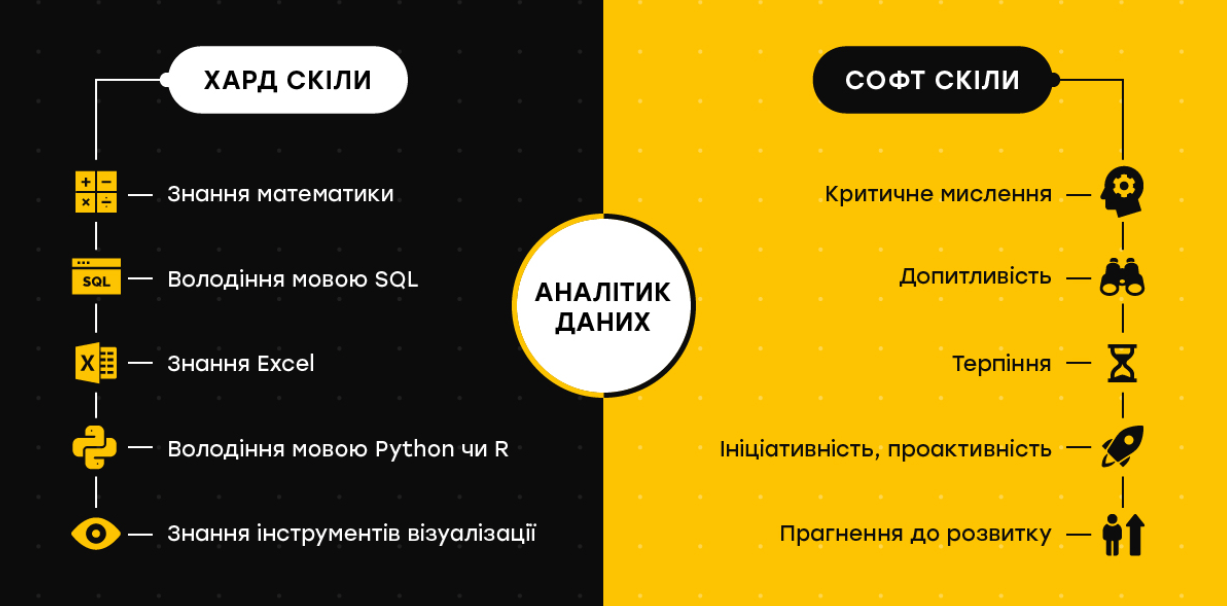
Programming
Let's start with programming. You definitely cannot do without Python, so if you have chosen this vector for your future profession, start learning it right now.
Python allows you to connect to databases and process large amounts of information, systematise it, and update it automatically. The documentation of modern data analysis tools is written in English, so having at least a B1 level of English will be a good advantage. Let's talk about the option of working as a data analyst as a remote job for a programmer.
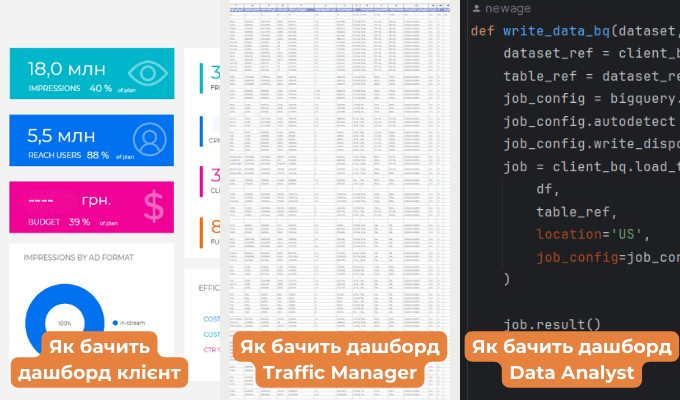
Data analysts use Python differently from programmers who write code: They "package" the code and see the result only when the code is completely ready. Analysts work in an interactive environment where the result is visible at all intermediate stages of work.
In addition, you will need to know how to use libraries. One of the most common ones is Pandas. It allows you to systematise your work, display results in the form of tables, filter them by a certain feature or value, etc. In general, everything is simplified and visualised."
Mathematics and Statistics
And here we come to a word that many people have heard only from memes - matan, or mathematical analysis. In fact, if you need a job for students online and you are on a first-name basis with mathematical analysis (because you listened in class and not caught barks), then becoming a data analyst will be much easier for you. Methods of mathematical analysis are actively used in the work of pros in this field, and if someone tells you that mathematical analysis is not needed, they are either a profane or want to mislead you.
Excel and SQL
Without familiarity with the basics of working in Excel, do not even try to apply for vacancies. You should be confident in this spreadsheet editor, know how to use formulas and at least basic functions to process data.
As for SQL, if someone doesn't know, it is a query language used to work with databases.In general, it is designed to quickly find the information you need among a large amount of information, sort it, structure it, and present it in an understandable way. To become a data analyst from scratch, it is important to know SQL at least at a minimum level.
All in One
You will also have to get acquainted with Jupyter Notebook. The programme consists of two main parts, namely a web application and so-called notebooks, i.e. files in which you work with the source code of the programme, run it and output data in different formats.
One of the advantages of this application is that the code can be divided into pieces and worked on in any order. For example, you write a script and immediately see how it works. You don't need to run other code fragments, the result appears immediately under the part of the code. That is why you can display preliminary research results, build graphs and charts here.
Where to study data analytics
There are no problems with this, there are both various and numerous paid courses and free ones. We will not dwell on the paid ones in detail, let's go through what will require only a little attention and time from you:
- Literature. There is a lot of it online, especially we recommend reading the book Python and Data Analysis by Wes McKinney and Python and Data Science for Dummies by John Paul Mueller and Luca Massarone.
- YouTube courses, there is also a fairly large selection, but pay attention to Nikita Timoshenko and his video about data analysis in Ukrainian.
- Free courses from Coursera
- Articles and blogs, etc. First of all, pay attention to the Towards data science and KDnuggets blogs. They are in English, but, as we have already said, English is essential."
How to start working as a data analyst
Suppose you have a little bit of a handle on the tools and want to start somewhere, but, of course, you don't have a queue of customers. Then start, for example, with yourself.
For example, conduct an analysis in Excel of your own expenses for a week, month, or season, determine what you spend more money on, what can be changed, and perhaps the influence of a certain time of year on some time spent.
In general, such pet projects are more valuable than doing some training tasks from the web, because they are completely designed by you from start to finish. And in fact, it can even help you get a job later on. You can't know what someone will need to analyse in business - for example, a system for analysing your participation in computer games or, for example, the frequency of using certain products in cooking at home. Who knows, maybe your project will turn into a great job opportunity with a flexible schedule.
And, finally, fulfilling someone's order. You might say: I'm a beginner, who would hire me? But this is not quite the case. Search for a businessman among your friends, for example, a beginner, or someone who just has a small business, and ask them to set you a task and provide you with the necessary data. Your work can be done free of charge, because you will first of all gain the necessary experience, and your "customer" will get some useful data for the development of their own business, for example, a coffee point somewhere. And if you get paid for it, it will be a great part-time job for remote work."
Data Analyst Career Prospects
First of all, you need to understand that you will be a performer, so you will not reach any extraordinary heights. Yes, you can become a senior analyst and get more money, but to become a department or line manager, you will need to develop managerial skills, i.e. organising the work of the team.
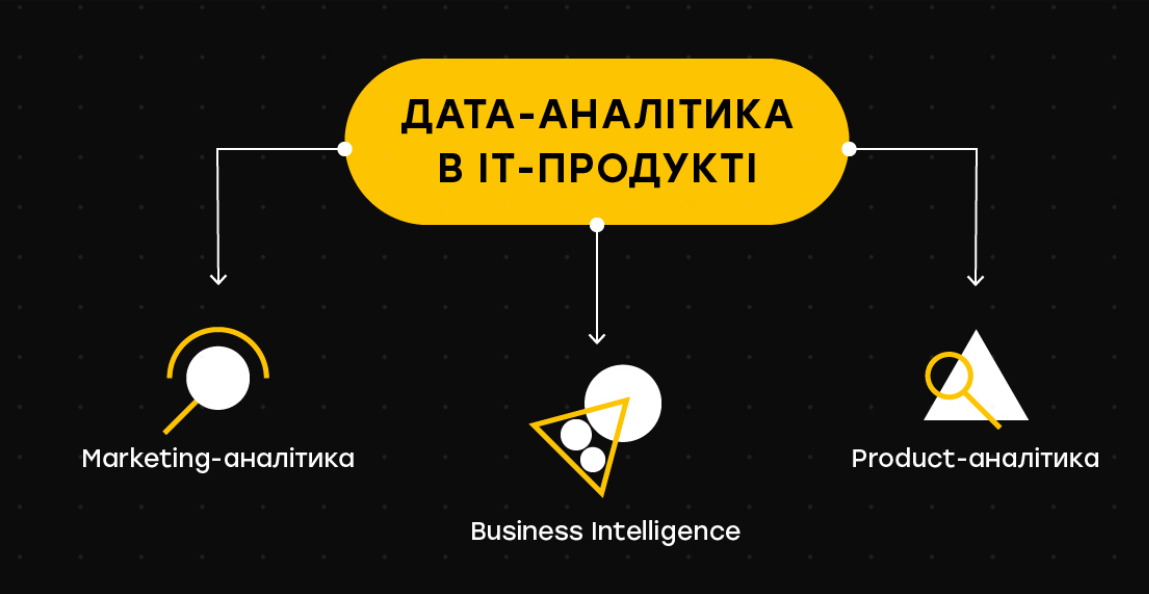
It's another matter that there are different areas of analytics, and for example, product analysts (who analyse user interaction with an application, for example, and derive patterns from it, offer solutions) get paid more than others.
If you are a beginner, don't expect to work as a remote data analyst right away. Most likely, you will either work in the office or work in a hybrid scheme. After all, you have no experience, and whatever you say, it's easier to get that experience in the office and in a team. That is, you will partly work in the office, and partly work remotely according to a certain schedule.
Also, in order to rise in the eyes of management, you need to deliver specific results. And to do this, you need to have the right approach to data collection. For example, you have been tasked with finding out why traffic to the website has dropped. Don't just rush into the numbers, first find out where the information comes from, how reliable it is, what the drop was, etc. Only then can you work with the data to get a reliable result. In short, you need to first thoroughly understand the problem, and this is analytics, or at least a part of it.
How to successfully apply for hybrid jobs for data analysts
Let's say you found a good offer. But now you need to pass the interview well, and you don't know how to stand out because you're a newbie. So you need something to show that you're better than the rest.
Again, you can't do without our friend GitHub. Post your previous projects that you have completed there so that you can, as they say, "show the goods clearly". Remember to visualise the results, accuracy and clarity should be your corporate identity. Use Tableau or Power BI for this purpose.
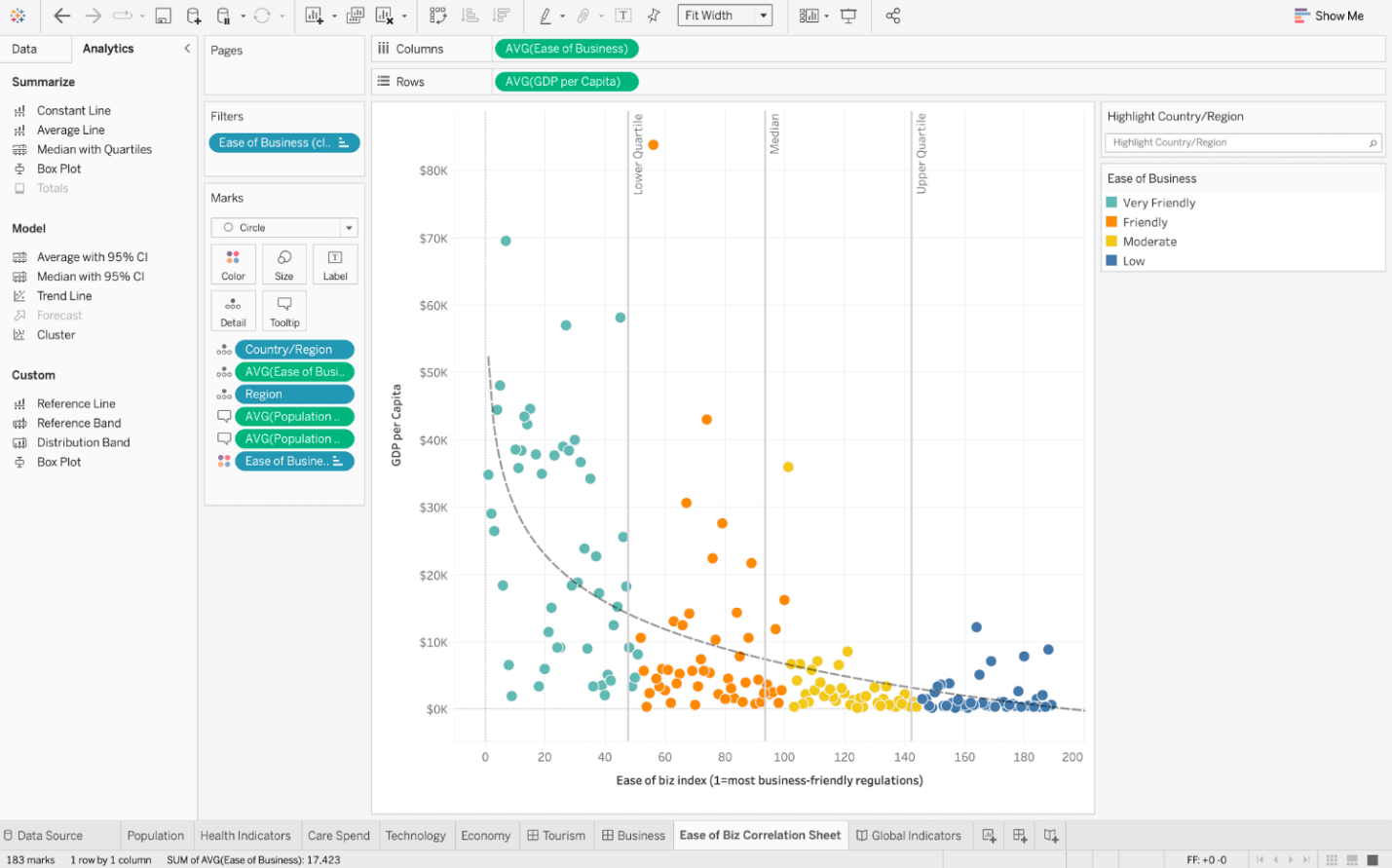
It is better to have at least a few pet projects, so you present yourself as a versatile specialist. But at the same time, keep in mind that a real shot in the top ten will be if at least one of your projects is related to the direction of the company you want to get a job at. Then you will definitely get more attention and increase your chances.
And never despair if you've been rejected once and didn't get the job right away. Be an analyst here, too: analyse what went wrong, find out the real reasons for the failure, and take them into account next time. And you will definitely have one, and not just one.