You may have heard the expression "contextual advertising" before. So, those who are engaged in contextual advertising are PCC specialists. There are many variants of advertising that is paid for in this way - search, banner, gmail, YouTube, and app advertising. That is why it can be a work-from-home job, you do not need to be in the office."
The task of a PPC specialist is to set up advertising, thanks to which interested users click on the link and get to the page of the company's website to buy services or goods.
Why is the work of a PPC specialist considered an example of a job for beginners
All this dates back to the very beginning of the emergence of this speciality as such. Back then, it didn't require any special knowledge, you just had to be, as they say, a confident computer user.
You just went to the client's profile, clicked on the necessary checkboxes, entered the keyword, and everything worked. Now everything is more complicated, you need to understand how the system works. But you can cope with this, although the threshold for entering the speciality has certainly increased.
In general, there are many new trends now, so this is a good option for work without experience, as everything can be learned from scratch and it is not as difficult as it seems.
Where to start training as a PPC specialist
In Ukraine, contextual advertising primarily works on two platforms - Google Ads and Meta Ads. Each of them has its own help system, where everything is described in detail. Once you are fully acquainted with the "instructions", you will have much less questions. It's free, so start with this stage."
If you don't understand something, for example, Google Ads has a support community where people answer each other's questions about incomprehensible features of the product. Don't hesitate to ask, because there is an iron rule - it's better to ask three times than to do something wrong because you didn't understand something.
You can watch one of the many courses on Youtube or choose a paid course from some "guru". But keep in mind that this person should also be engaged in real projects, not just teaching - otherwise, you will not get adequate and relevant knowledge.
Next, you will need to get certified in Google AdWords. Here, too, everything will be quite simple if you read all the "manuals", and if you add to this a course on YouTube, then the exam will be quite painless.
By the way, there will be two exams: one dedicated to the basics of advertising, and the other will be dedicated to a certificate in search or display advertising. Exams can be retaken, you have more than one chance. And a bit of a bitter pill: you have to take the exams regularly to confirm your qualifications. However, if you are professionally engaged in this field, exams will not be a problem."
What duties should a contextual advertising specialist perform
Everything is quite simple and complicated at the same time, so let's keep it short and to the point, and at the same time, by key stages:
- First of all, he studies the product and the target audience. The specialist must understand what he is advertising and who the ad is intended for. To do this, he communicates with the client, studies audience segments and product features (characteristics, properties, advantages and disadvantages), formulates a unique selling proposition or finds out from the customer.
- The next step is to develop an advertising campaign strategy. The specialist chooses the platforms to which traffic will be directed, determines ad formats, and plans the budget. If the client has already launched advertising campaigns, the contextual expert studies them and offers optimisation: how to improve conversion, which ads to add and which to stop.
Thus, it is actually an online job for a marketer. At the same stage, a PPC specialist finds and studies competitors' ads. This allows them to identify their strengths and weaknesses, and outline their own action plan. - The next step is to check the client's website. The contextologist audits the website or landing page where users will go after clicking on the ad. He determines whether the ad corresponds to the content of the resource: if the customer advertises wedding rings, the link should lead to the catalogue of these rings, and not to something else.
- Now you can form the semantic core. You select relevant keywords and phrases for which the ad will be shown. You also define negative keywords to prevent off-target queries. That is, if a person uses a negative word in their query, they will not see the ad.
This is necessary to cut off non-target audience. For example, we want to advertise pizza with delivery. But we don't need those who are just looking for information about pizza as a dish or the history of different pizzas. That's why we add negative keywords, such as "pizza recipes", "history of pizza", etc. - Finally, you can create adverts. This should be done taking into account the internal rules of the platform, which are spelled out in its rules.
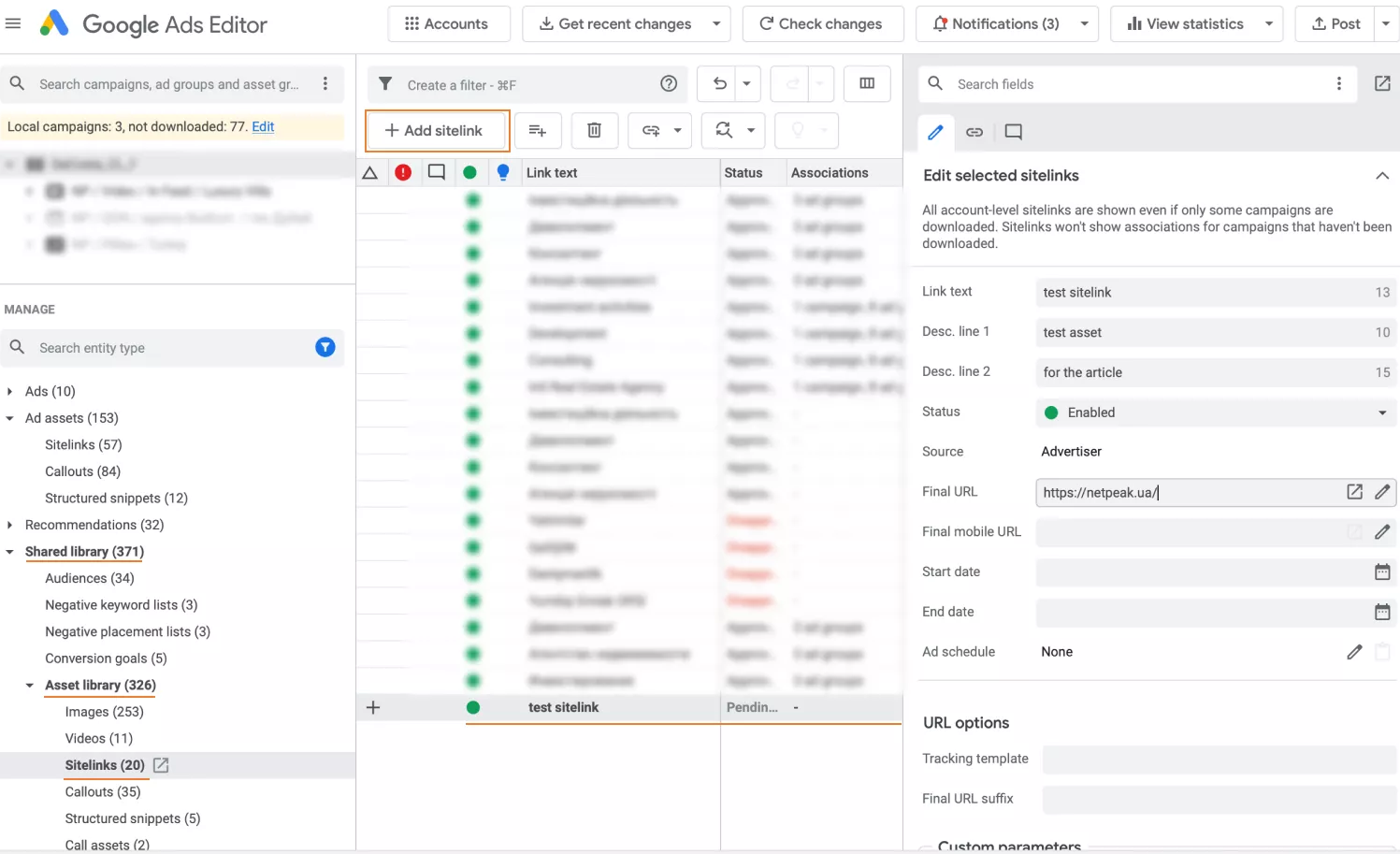
- Next, you need to set up the advert itself. Set the price per click, audience parameters (age, geography, interests, whether to attract users of mobile devices, etc.) Next, upload the ad to your account and wait for moderation. You can see the result of this work in the screenshot:
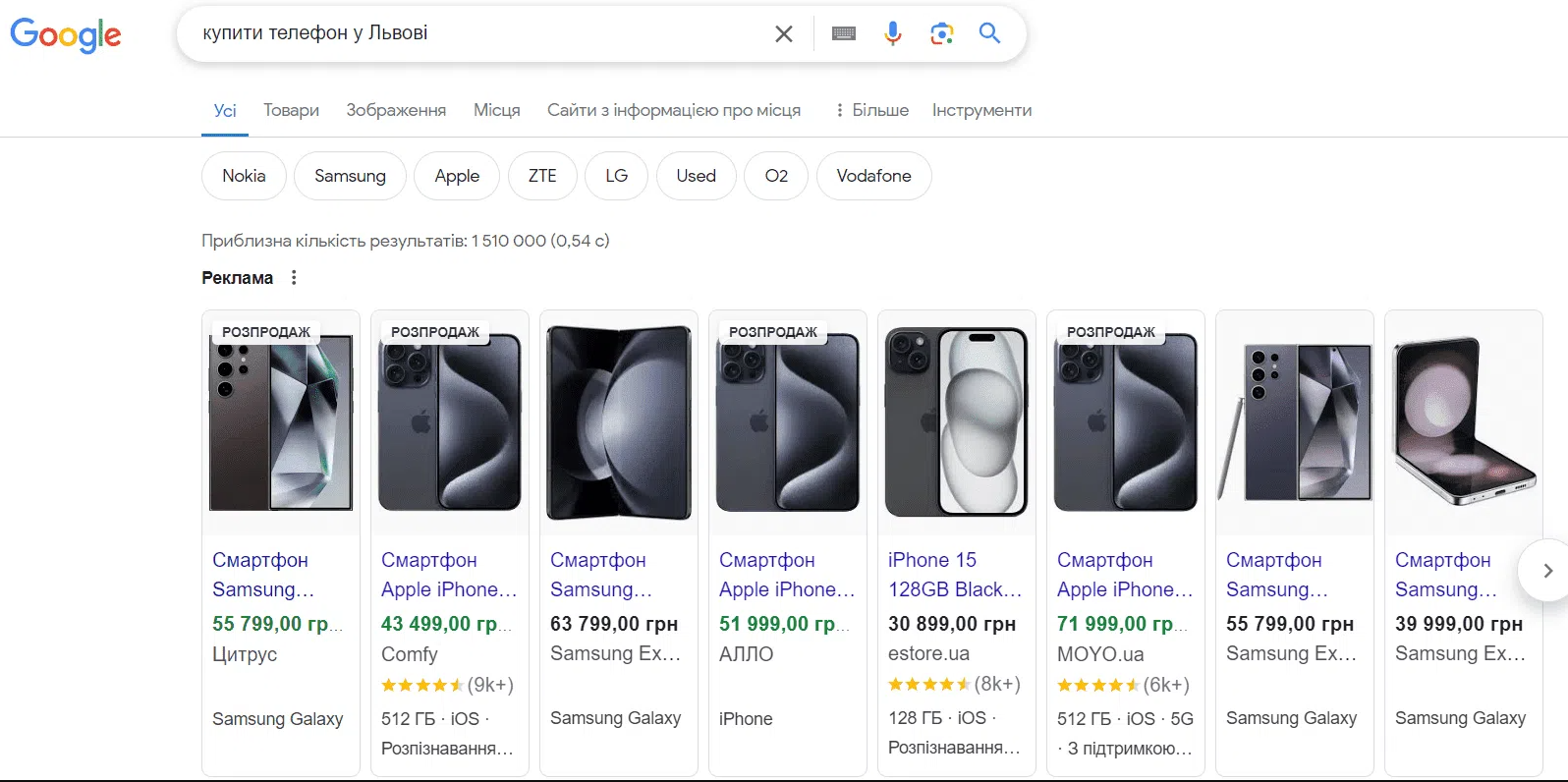
- Let's say everything went well. But even now is not the time to relax - you must constantly analyse your ad, analyse what works and what doesn't, and make changes accordingly. Also, your boss will usually require you to submit performance reports. They can be weekly and monthly, for example. There may also be daily reports. You will need to reflect the results, the money spent, and suggestions for changes and improvements."
Additionally, the contextologist examines the general state of the resource and its structure, and if necessary, offers the customer changes (for example, add some targeted actions or adjust the location of elements on the site).
What skills should a beginner develop
Based on the above responsibilities, we can say that first of all, you need to understand what Google Ads and Google Analytics are, know how to use them, and the nuances of their work today. You also need to know how to form a semantic core, and, accordingly, how to use services for its selection, such as Ahrefs, etc.
Also, if you are considering this as a work-from-home option, keep in mind that you will need perseverance, as this is one of the main aspects of the job for a contextualist. You will also need the following traits:
- Creativity.
To attract the attention of the audience and stand out among competitors, advertising should be original and catchy, so the profession requires a creative approach. - Communicative and teamwork skills.
In the course of your work, you will have to communicate and interact with clients, owners of advertising platforms, marketers, copywriters, and designers. Therefore, you must be able to communicate your thoughts and accept the opinions of other people. - Attentiveness, responsibility.
- Learning and curiosity.
The field of digital marketing is constantly changing: new tools appear, old methods lose their relevance and effectiveness, and legislation is updated. Specialists should keep track of all changes, learn new things, and adapt to current conditions and trends.
Trends of 2025 in contextual advertising
Let's say you have already become a specialist, but you are just starting out. How can you break into this field quickly and succeed, what trends are currently prevailing in the profession? We won't intrigue you for a long time and will tell you everything in order.
- There is a very strong focus on artificial intelligence, and PPC has not been sidelined in this topic either. For example, in May, Google announced the appearance of ads in AI reviews. So far, it has been limited to the US, but it has already been announced that this trend will spread to other countries. It seems that the patterns of user interaction with paid ads will radically change in the direction of AI algorithms in the future.
- Now, marketers are abandoning generalised customer profiles, such as "tourists" or "procrastinators", in favour of the microtargeting approach.
- Another current trend is automation. Instead of spending hours developing the perfect bidding strategies and keyword lists, you can focus on the big picture and scale your campaigns without hassle. Platforms like Google and Meta have built-in automation features. On Facebook, for example, you can automate your campaign setup by simply selecting a goal. Your campaign will be automatically tailored to a specific audience, allowing you to spend more time on the creative process."
- And there's something else, but it's more true for the English-speaking segment of the Internet. It's about voice search and its nuances. In fact, it can be a hidden gold mine for PPC marketers. For example, 75% of US households are expected to own a smart speaker in 2025, and more than half of the population already uses voice search on a daily basis. By optimising your search ads for this ever-growing niche, you can reach a new audience of users. It is currently gaining popularity because things like immediate discount codes, special offers, or exclusive access work wonders when users can unlock them directly in the ad.
All in all, as you can see, this is a great option for a job with a flexible schedule where you can realise your creativity. Modern tools allow you to simplify your work and focus on the really important things, and therefore it will be easier than ever to enter the PPC field from scratch.